
Construction Equipment Hauling
Construction Equipment Hauling in Lyons for contractors moving machinery between work locations and job sites
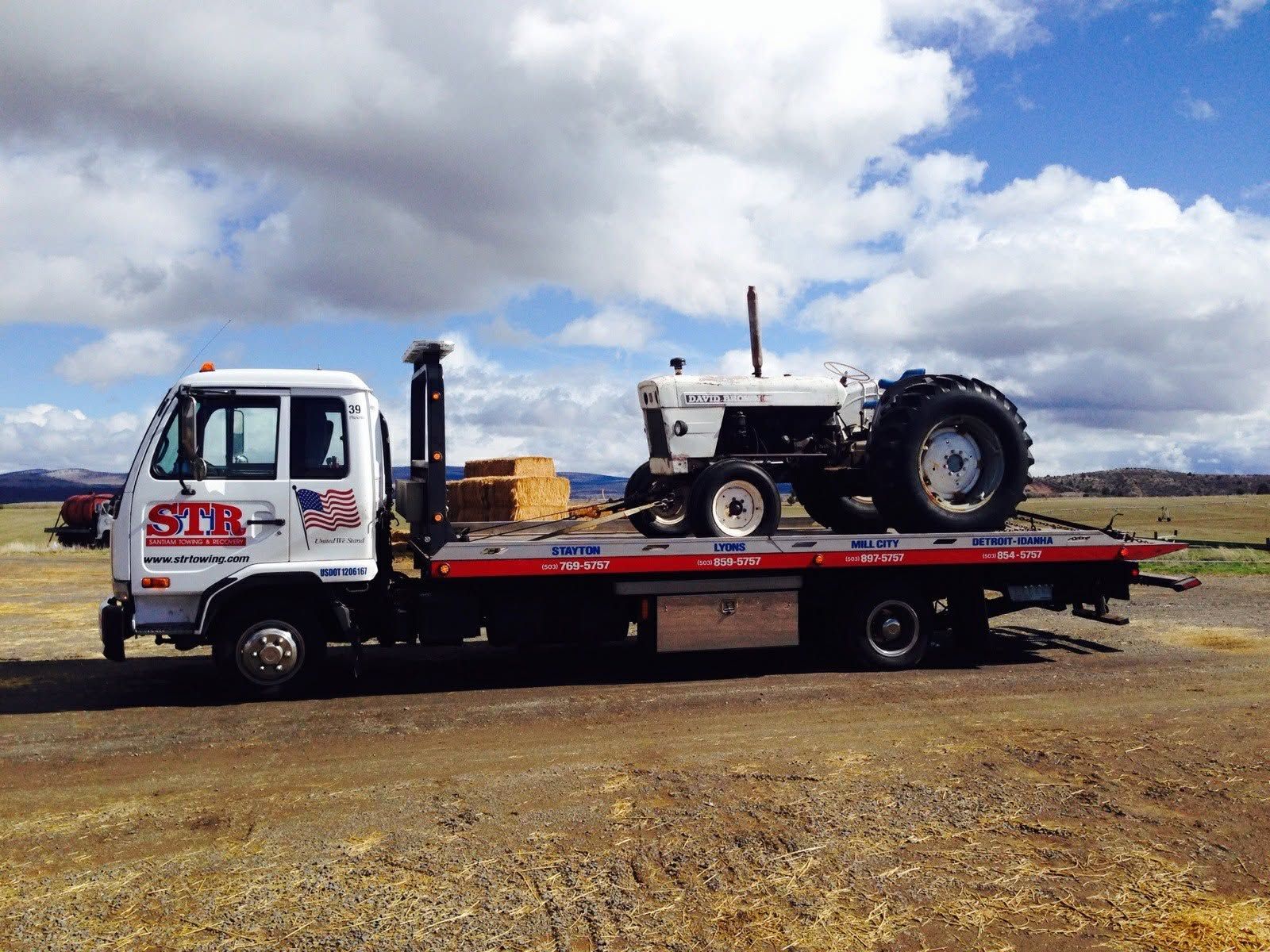
Moving construction equipment creates logistical challenges that stop projects cold if not handled correctly—a backhoe that arrives damaged can't break ground, and a skid steer delayed in transport leaves crews standing idle. The equipment itself often can't legally travel on public roads due to width restrictions, track systems that damage pavement, or lack of required safety lighting. Santiam Towing and Recovery provides construction equipment hauling in Lyons using specialized transport vehicles designed to carry heavy machinery safely between project sites, from equipment dealers to job locations, and to maintenance facilities when repairs are needed.
This service addresses situations where contractors win bids in new areas requiring equipment relocation, when municipalities need machinery moved between infrastructure projects, when builders purchase used equipment that must be transported from the seller's location, or when industrial operations rotate assets between facilities. Secure loading involves understanding each machine's weight distribution, hydraulic lockout procedures, and proper tie-down points that prevent shifting without damaging sensitive components.
Schedule equipment hauling service by providing machinery specifications and your preferred transport dates.
What Proper Transportation Planning Requires
Equipment hauling begins with confirming the machinery's dimensions, weight, and any special handling requirements like removing attachments or securing hydraulic arms in a specific position for safe transport. Operators drive or load the equipment onto a trailer using ramps or the trailer's hydraulic tilt function, position it to balance weight properly across axles, and apply multiple tie-down chains at frame points designed to handle restraint forces. Transport planning includes route evaluation to avoid weight-limited bridges, height-restricted underpasses, and roads with turns too tight for long trailer combinations carrying wide loads.
After delivery, your construction equipment sits at the designated job site or storage yard exactly as loaded, with hydraulic systems intact, no stress damage from improper securing, and all attachments still properly connected. Operators unload using controlled ramp descent or hydraulic tilt, positioning the machinery where you direct within the accessible areas of your site. You'll notice the equipment starts normally and operates as expected because careful transport planning prevented the jolts, tip angles, and unsecured movement that damage hydraulic seals, electrical connections, and sensitive engine components.
The service includes coordinating delivery timing with your project schedule so equipment arrives when crews are ready to deploy it, providing documentation that confirms delivery completion for billing or contract purposes, and ensuring the transport vehicle can access your site without creating ground damage from heavy axle loads on soft soil. Builders and contractors throughout the region rely on dependable scheduling because delayed equipment creates costly crew downtime and project schedule disruptions.
Questions Contractors Frequently Ask
Equipment owners and project managers often need specific details about hauling capabilities, timing, and coordination before scheduling transport.
What information is needed to provide an accurate hauling quote?
Providing the equipment's make, model, weight, overall dimensions including any attached implements, and both pickup and delivery locations allows calculation of transport costs based on required trailer size, permits if needed, and distance traveled.
How do seasonal weather conditions around Lyons affect equipment transport?
Winter snow and spring mud conditions can make job site access difficult for heavy transport trailers, sometimes requiring equipment to be offloaded at road-accessible staging areas and moved to final positions using the machinery's own power once site conditions improve.
When should you schedule hauling around construction project milestones?
Coordinating equipment delivery a day or two before it's needed prevents machinery from sitting unused on site while reducing the risk of delays if unexpected transport complications arise.
What happens if the delivery site isn't accessible for large trailers?
Operators evaluate site access during scheduling and may recommend alternative unloading locations, suggest site preparation like grading an access path, or coordinate with you to have smaller equipment moved from a nearby staging area to the final work location.
How are attachments and implements handled during equipment transport?
Small attachments typically transport alongside the main machine if space allows, while large or heavy implements may require separate transport or removal before hauling to meet weight and dimension limits for legal road travel.
Whether you're relocating a single machine or coordinating multiple equipment moves for a large project, Santiam Towing and Recovery handles the transportation logistics that keep your construction operations running smoothly. Call to request equipment hauling service with details about the machinery you need moved and your timeline.